Visual Form as Ontological Mediation:
Rethinking Art and Design in Cultural Transformation
Research Conducted Under The Mentorship of Dr. Caddie Alford
Funded by
The Mellon Research Foundation
& Virginia Commonwealth University Department of Undergraduate Research & Creative Inquiry
Summary:This research explores the pedagogies of early twentieth-century avant-garde movements like Futurism, Vkhutemas, and Bauhaus. While navigating political and social constructs, these movements, though eventually dissolved due to political pressure, have deeply influenced our modern world. Dissolution and diaspora may read as failure, but the systems built against norms persisted quietly and created major cultural impact. The inquiry asks:
What do these movements offer a society that is also experiencing technological integration, political unrest, and social restructuring?
As the political hierarchy enacts destabilization of inherited systems of meaning, communication, and education, does this also offer an opportunity for artists and thinkers?
How do we as a society navigate the increasing pressure on higher institutions of learning to be institutions of production, directly impacting the university's capacity to cultivate the critical and creative minds that have historically enabled cultural transformation?
The core of this paper is to argue the value of the avant-garde, not as romanticized spectacle, but as critical resistance to dominant systems of power, and a resource within our collective memory.
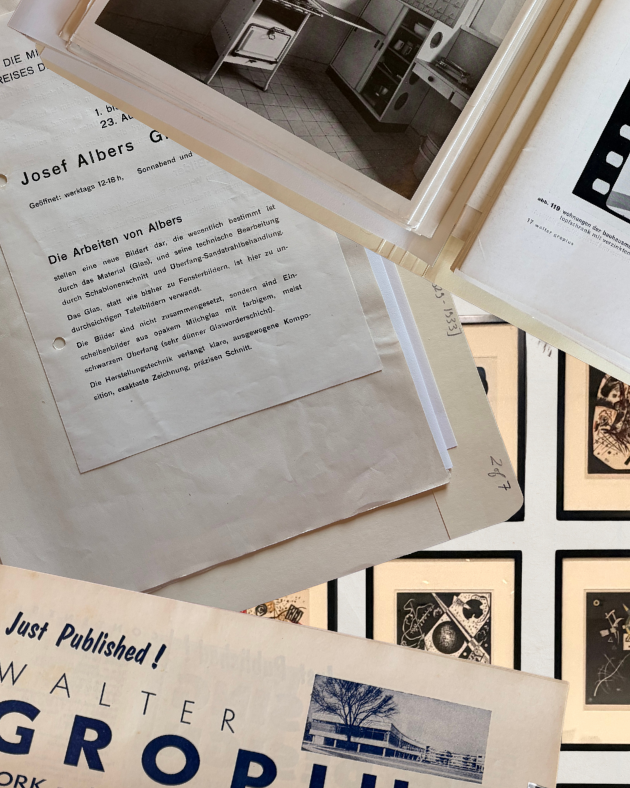
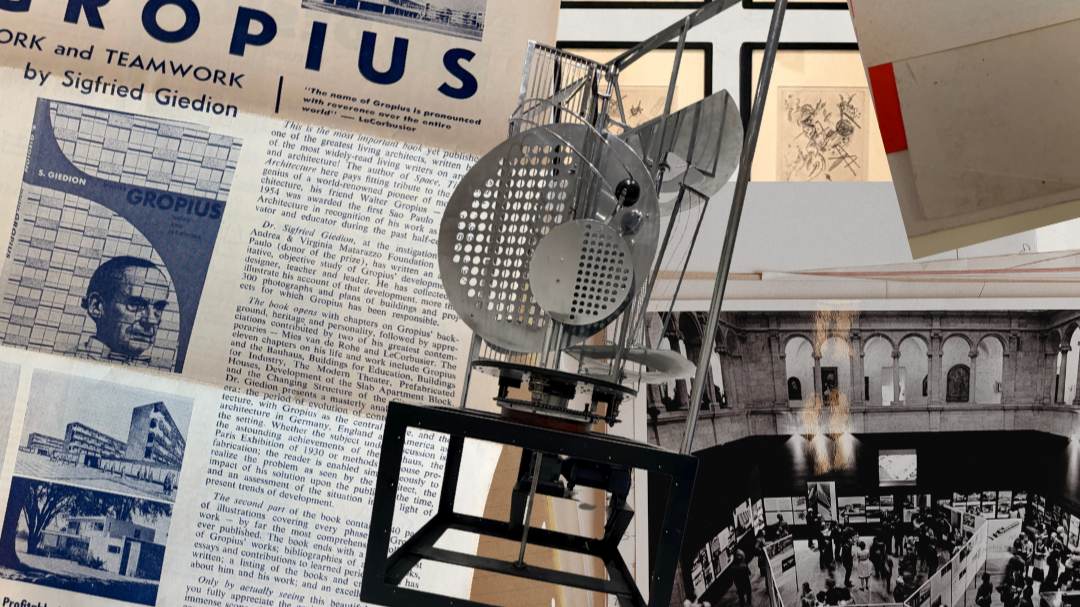
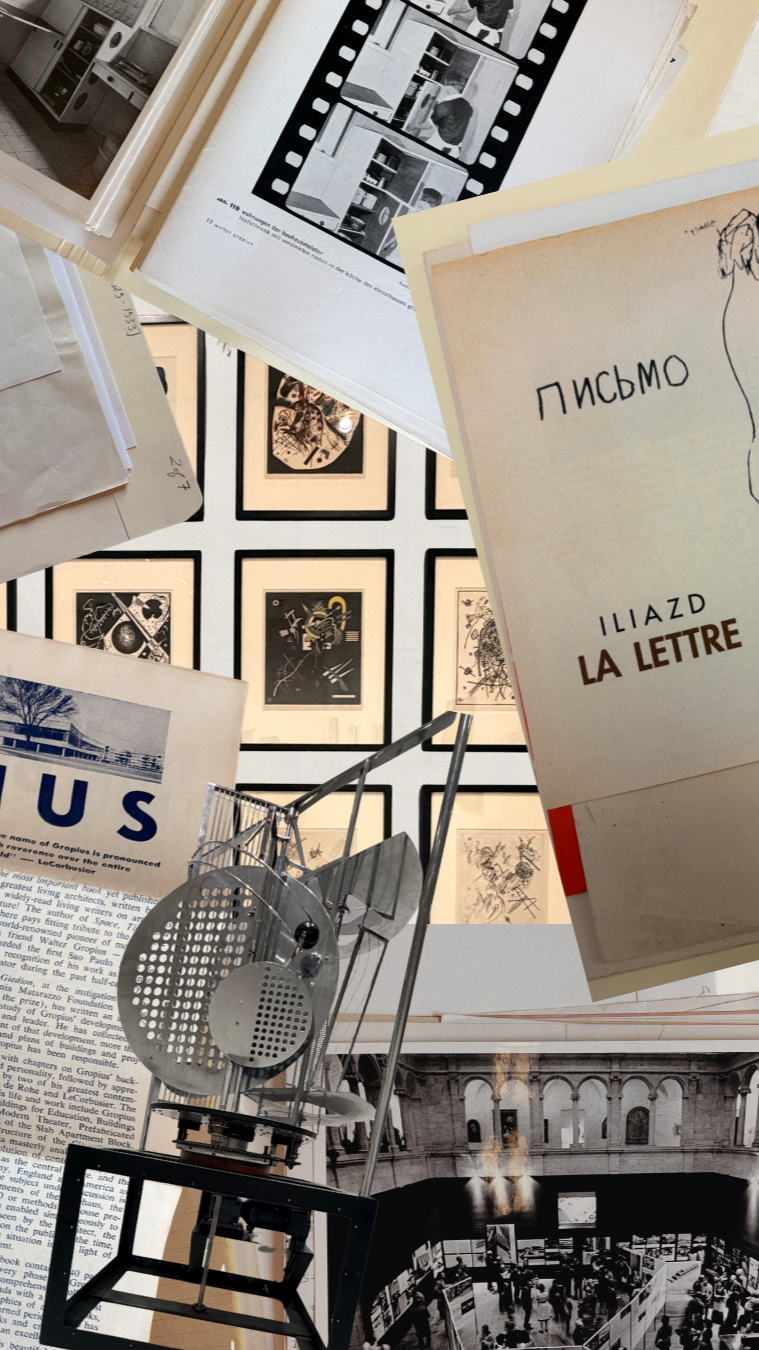
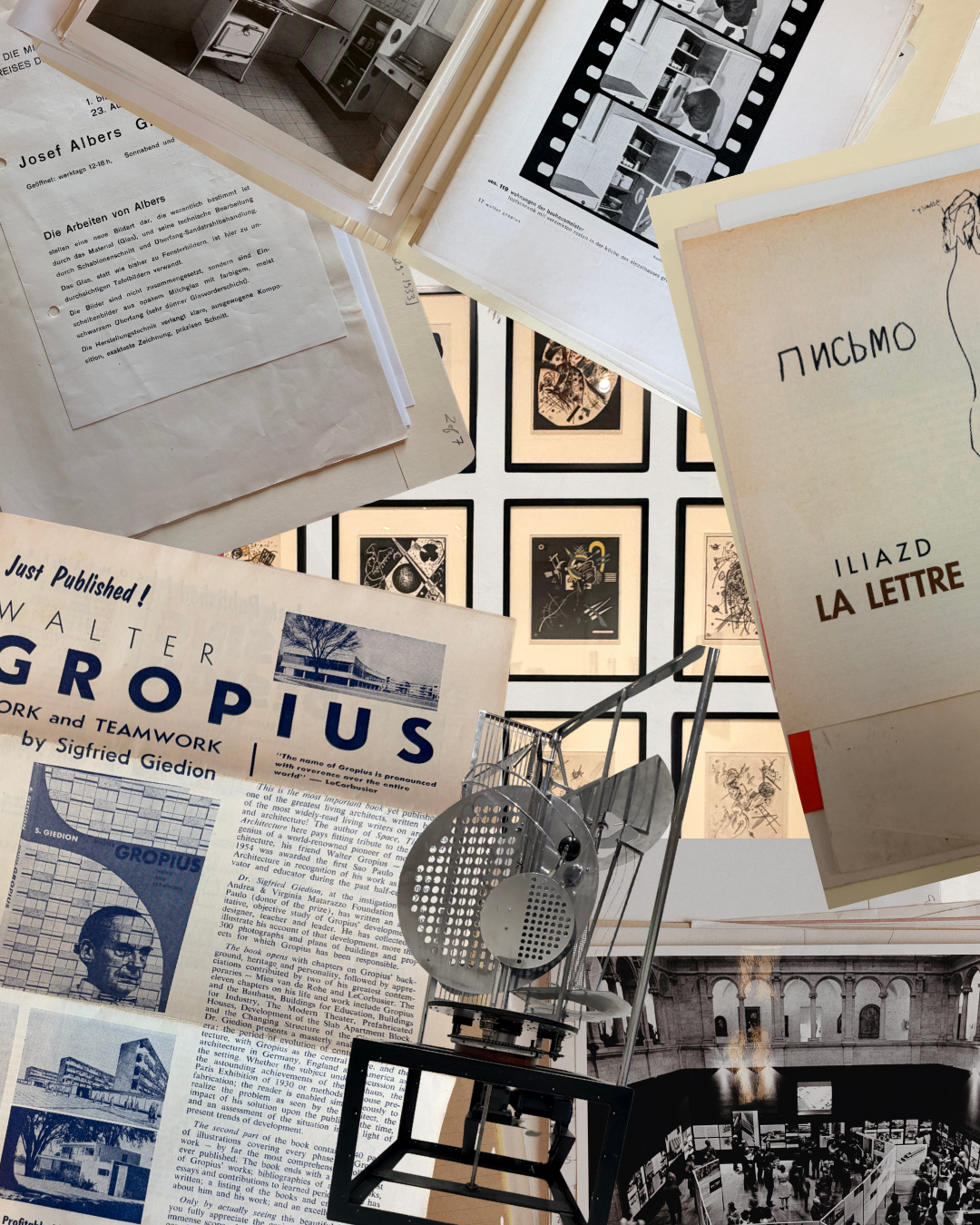
Methodology:Special thank you to The Harvard Museum Archives, Houghton Library, and Francis Loeb Library for the assistance in navigating each collection’s extensive Bauhaus and Bauhaus affiliates’ personal archives.
This research pulls from first-person fieldwork in archives, an interdisciplinary theoretical framework on critical pedagogy, as well as interviews with curators, authors, and other relevant professionals to ground the understanding of cultural and economic impact.
Why This Matters:This exploration hopes to yield a scholarly argument for the pedagogical implications of the same deliberate collapse of art/design boundary that enabled these movements to construct new relationships between visual form, cultural meaning, and individual expression. The researcher hopes to open a productive, integrative, critical space within visual and cultural studies, art history, and design history.
This project hopes to explore how integration of design history into art history curricula and recovering the social intentionality of these movements better equips students to locate agency and critical authorship within the visual systems that shape their contemporary life. In a period when the designed environment is more pervasive and politically loaded, that argument carries stakes beyond the archive.