Letterforms As a Barometer for Social Mood, Cultural Shifts, and Collective Memory

OVERVIEW
Our visual landscape is saturated with letterforms, but what do fonts tell us beyond the message they carry? Design theory stops at production; art history leaves form to the designers; paleography identifies form without asking what social pressure produced it. No comprehensive framework has treated letterform as a primary site of cultural and material meaning.
When form is read as a condensed archive of collective experience, it becomes legible as a barometer: registering social tension, ideological pressure, and psychological mood, reminding us that the conditions we inhabit have been inhabited before. This gives us an opportunity to better understand our present and our agency within it.
POINT OF ENTRY
Aristotle argues that communication does not originate in the mind, but from the need to express. Letterforms, then, must be born from the same expressive space. If you want to know how a society felt, look at what it made. Calligraphy, typography, and fonts are the most intimately and consistently produced forms of visual creation.
This is art history’s territory.
The philosopher is great at thinking about thinking, historians approach objects as if objectivity were possible, but it is the art historian who is equipped to hold the abstract and the emotive together. This research, as well as most of my work, deliberately inverts the traditional anchoring of critical theory and form. My methodology roots in the object and draws theory in only when it can account for what the material is already showing. That distinction changes what counts as evidence and what counts as argument. Consciousness leaves a material trace; art history is the discipline that knows how to read how feeling becomes form and form becomes meaning. Letterforms are not incidentally aesthetic, but constitutively so.
MethodologyThis research proceeded in five parts
A theoretical framework drawing on Saussure, Bourdieu, Foucault, Latour, Williams, and Derrida to model letterform as socially negotiated and historically situated.
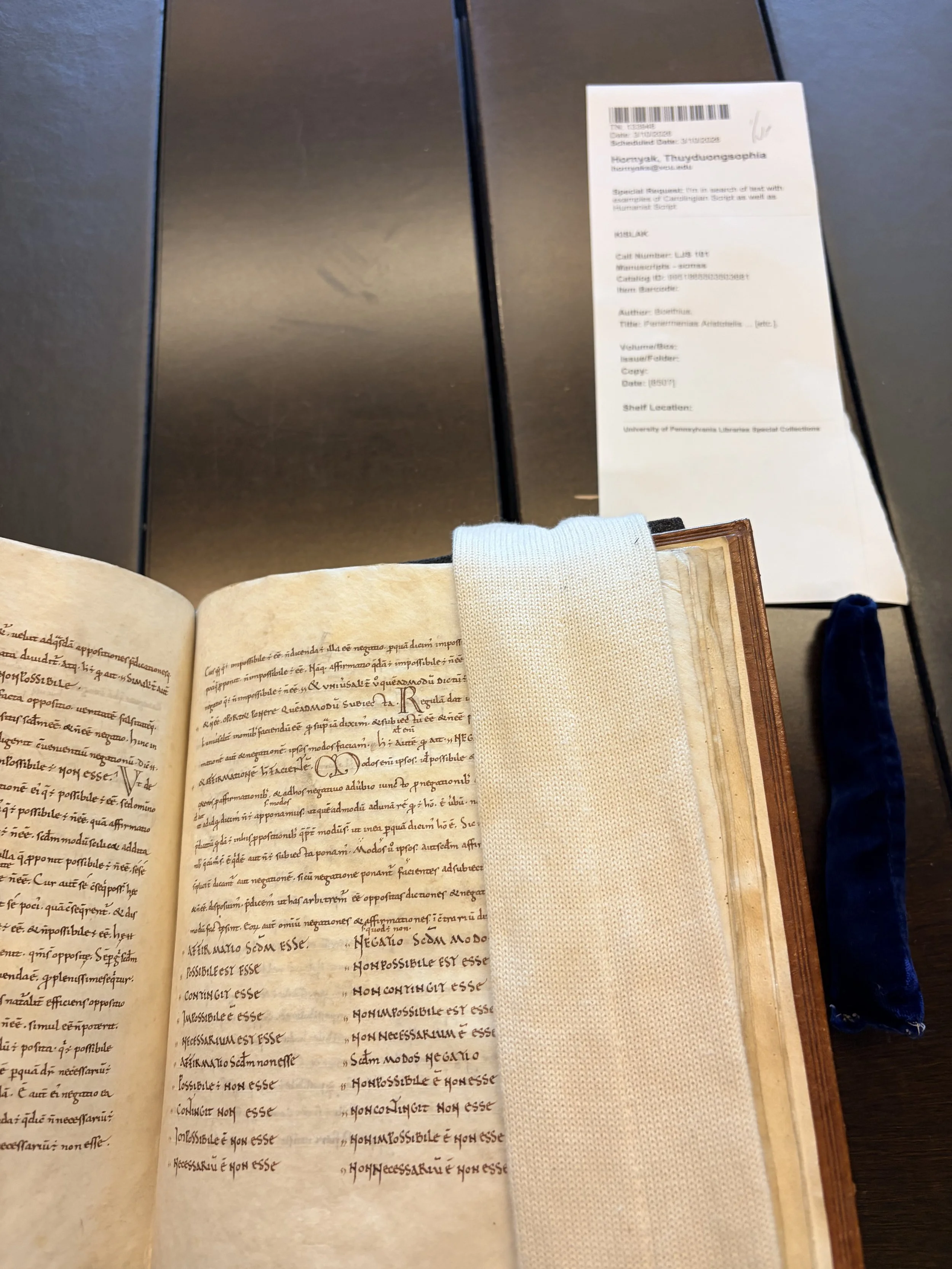
A genealogy of three pivotal Western letterforms: Carolingian Minuscule, Humanist Script, and Times New Roman, grounded in firsthand archival research at The Kislak Center for Special Collections, Rare Books and Manuscripts at The University of Pennsylvania.
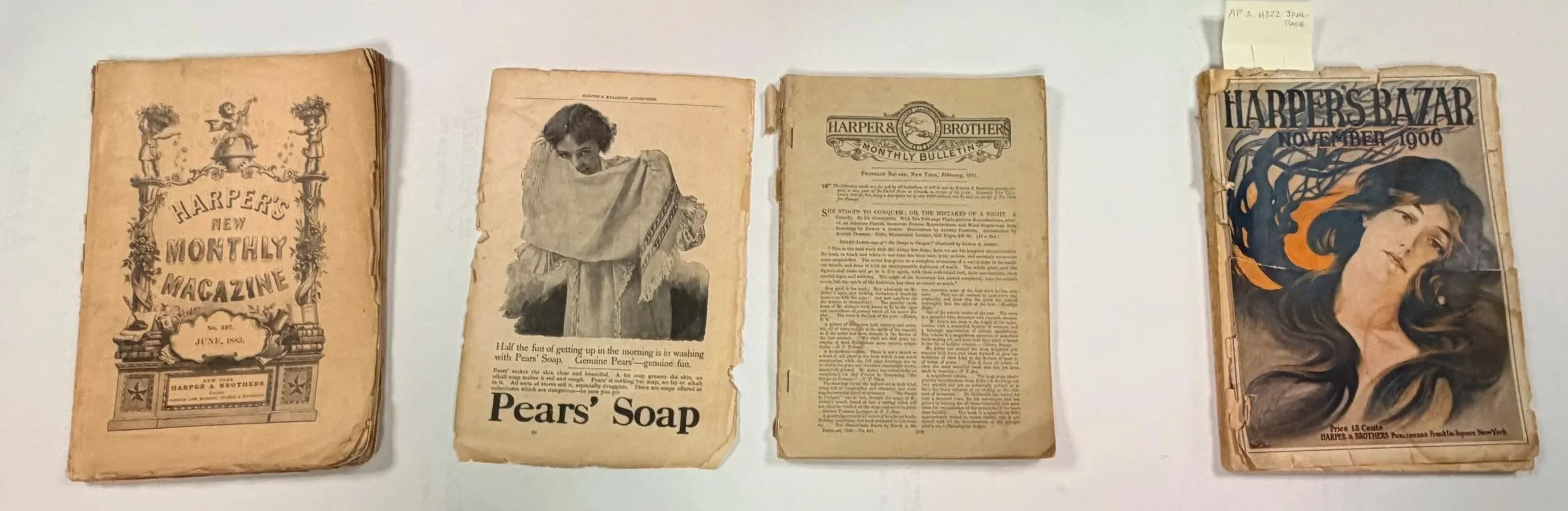
Comparative application across the First and Second Gilded Ages through primary source engagement at the Rare Books and Archives Division of The Virginia Museum of Fine Arts.
Original field interviews with four practicing professionals whose work centers on letterforms.
This project proposes an epistemic reorientation: letterforms are not passive vessels but living archives. The patterns revealed expose systems that assert dominance without being questioned. That awareness is itself a form of agency. This research reveals that artists and craftspeople are essential to society's resistance and ongoing negotiation with power.
InterviewsThis primary fieldwork grounds the ontological framework in lived practice rather than allowing the argument to remain purely theoretical
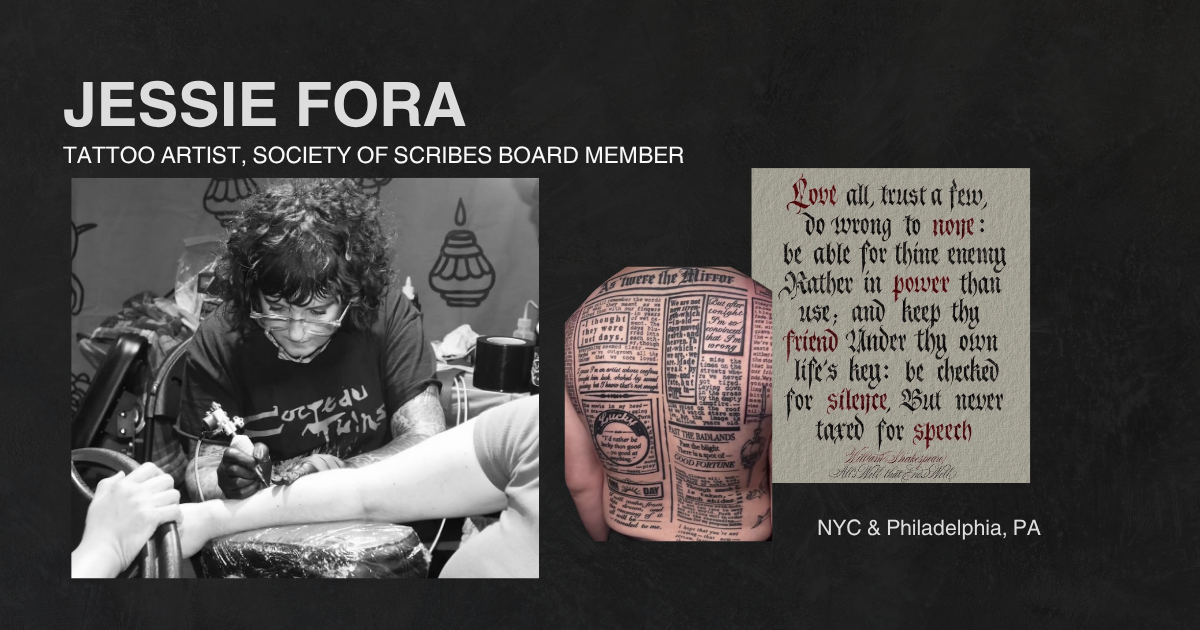
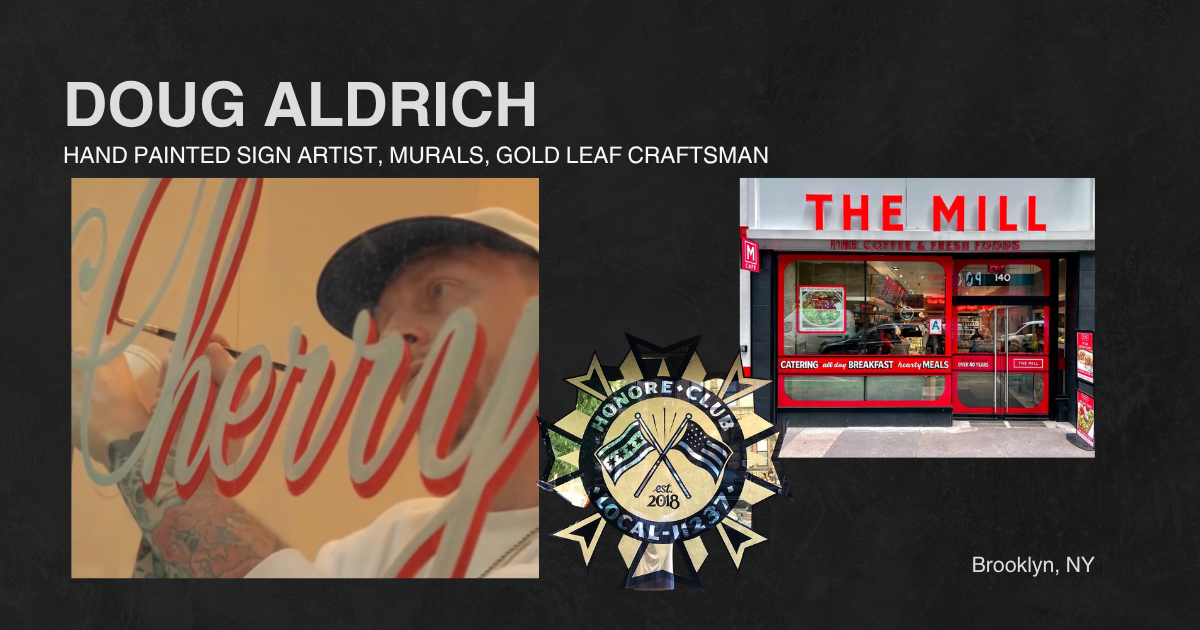
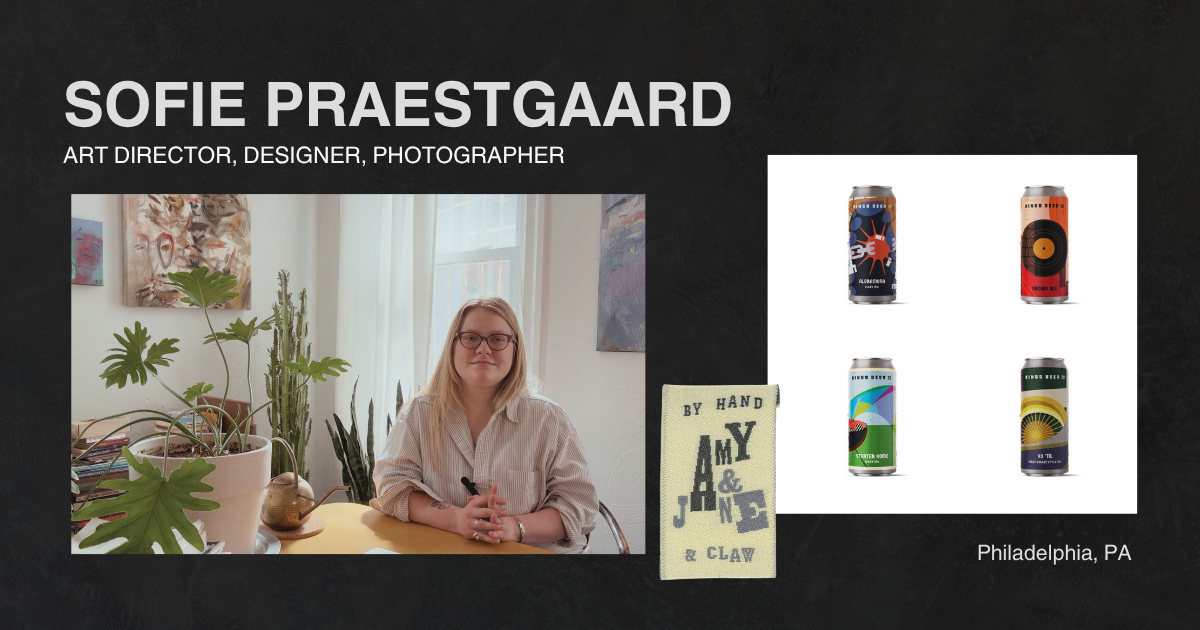
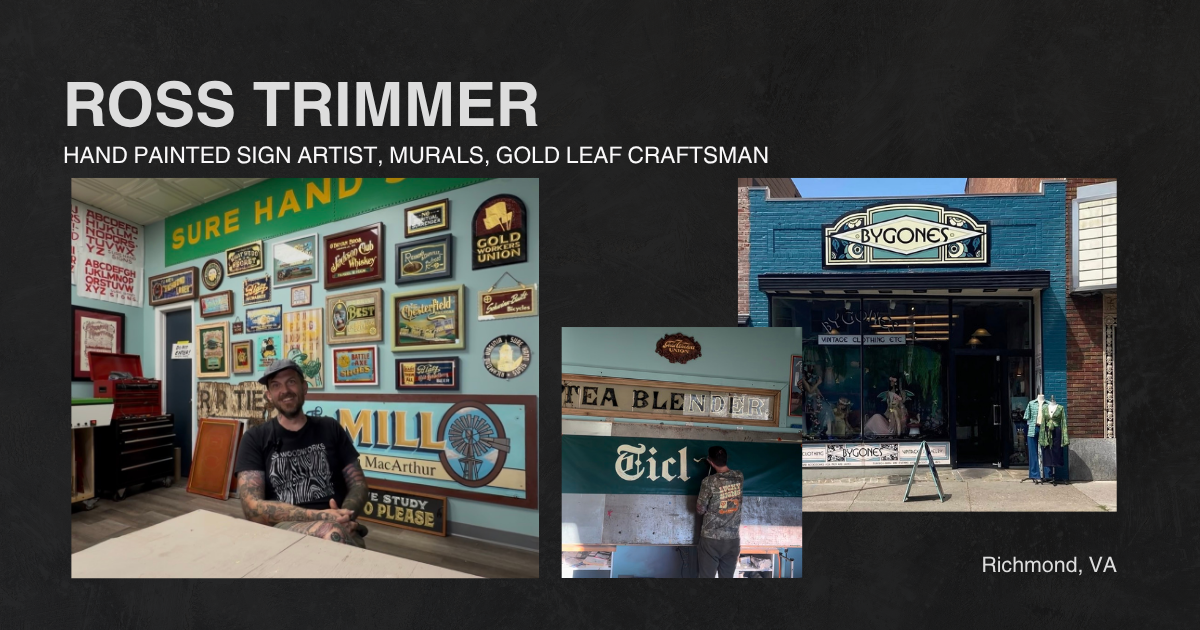
By meeting with four professionals who engage with letterforms and visual landscape directly, the research surfaces how these constitutive forces operate in real time. Through sharing their experiences and expertise, each interviewee confirm letterform’s role as a carrier of social meaning is not just an abstract or historical condition.
Each conversation gave insight into living systems of community, capitalism, agency, tradition, history, and the on-going negotiation of power.
The research finds that resistance to institutional and capitalistic power has continuously been within the hands of artists and crafts people. Research also revealed that it is the makers’ work that powers of dominance try to emulate in order to appeal to the masses.
Though many of these artists see themselves as simply working a job, they are partaking in the long lived tradition of resistance through creation, in addition to creating community in the face of ever-increasing isolation.
Notes on Inquiry
Notes on Biopower & form
Though this research finds patterns through form, it is predominately an exploration of where arbitrary forms of power live and who/what resists them. Michel Foucault gives us the architecture of Biopower but leaves the format for dispersement under theorized. Within my research, I build on Foucault’s theory with the aid of Bourdieau to give a clear picture of how institutions standardize and regulate through circulation and how it becomes invisible enough to stop being questioned.
…have you ever questioned why we are told to type papers in 12 point Times New Roman?
Expanding on Drucker’s Graphesis
Johanna Drucker’s Graphesis: Visual Forms of Knowledge Production (2014) is the closest prior framework, remaining a landmark contribution to how visual form produces knowledge, but concludes as a kind of epistemological self-enclosure. The work ultimately answers its own provocation by stating that the system lacks an account of humanistic uncertainty, and calls for an interface that accounts for the unaccountable; a move contemplated from within the same paradigm it critiques.
My non-teleological proposal allows form to remain irreducible and steps away from asking how we account for it, but rather, what it reveals.
Where media theory and critical cultural theory fall short
These theories are not fully fledged without form, in both a philosophical and artistic sense. Letterform is where language gets a body, where communication becomes material, where form appeals to emotion. To account for semiotics and linguistics but not form, leaves a disciplinary gap.